


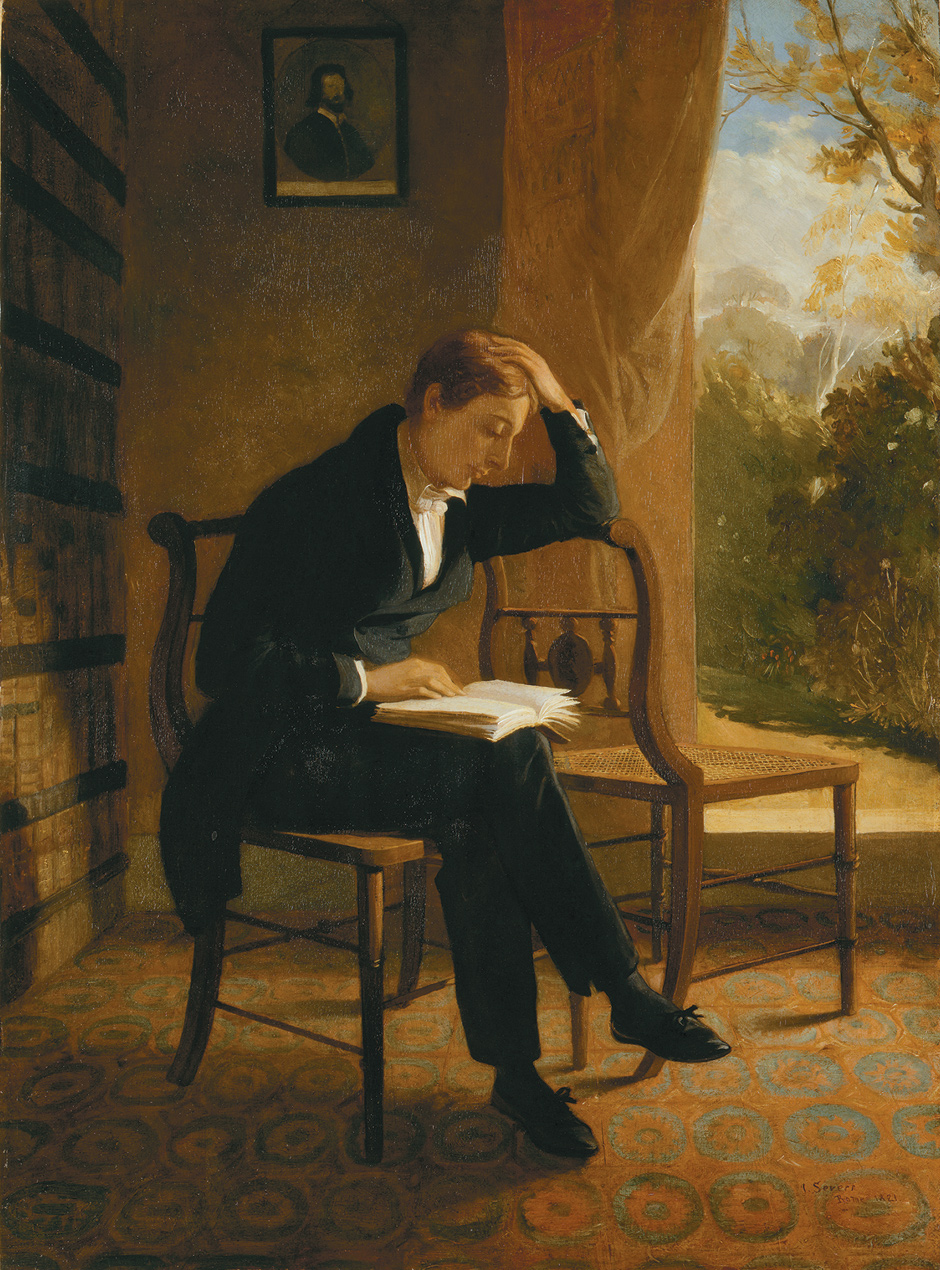
The Arrival of Something That Will Not Last the Winter
Rome, September 1820John Keats arrived in Rome...
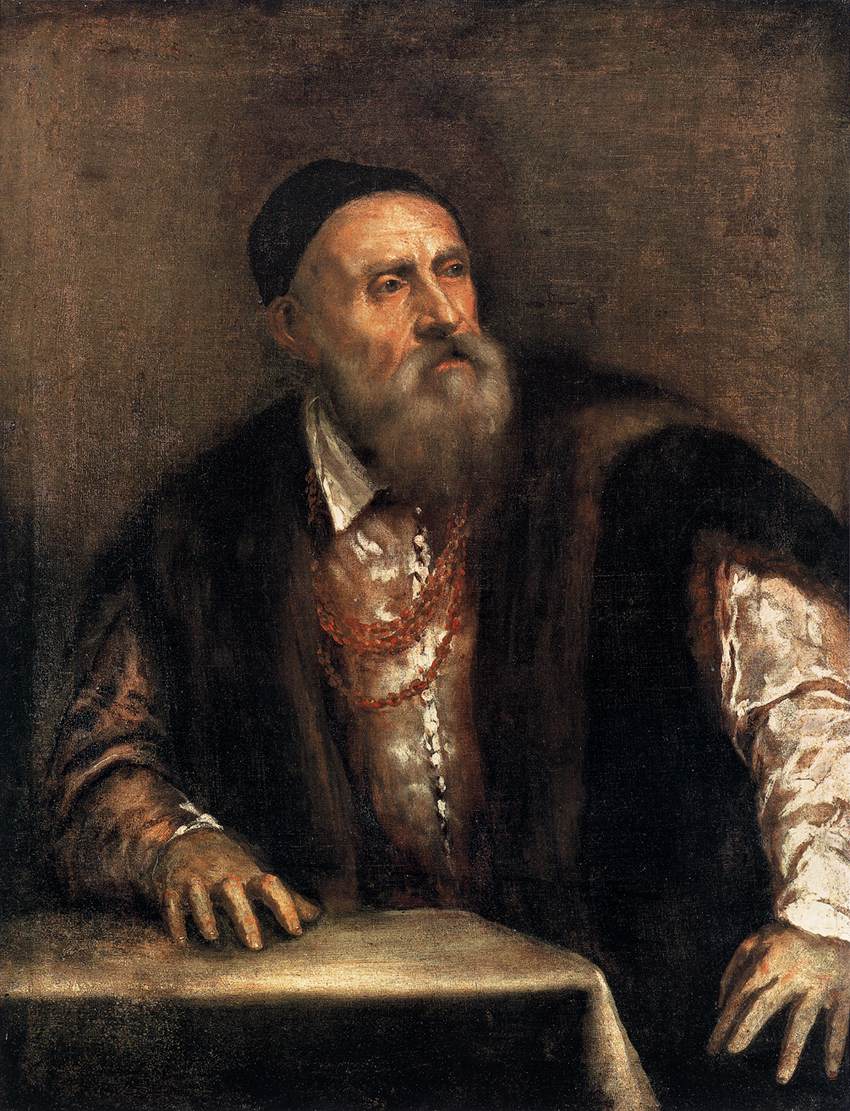
The Portrait Titian Painted Under a False Name
Venice, spring 1535 Titian Vecellio painted me...
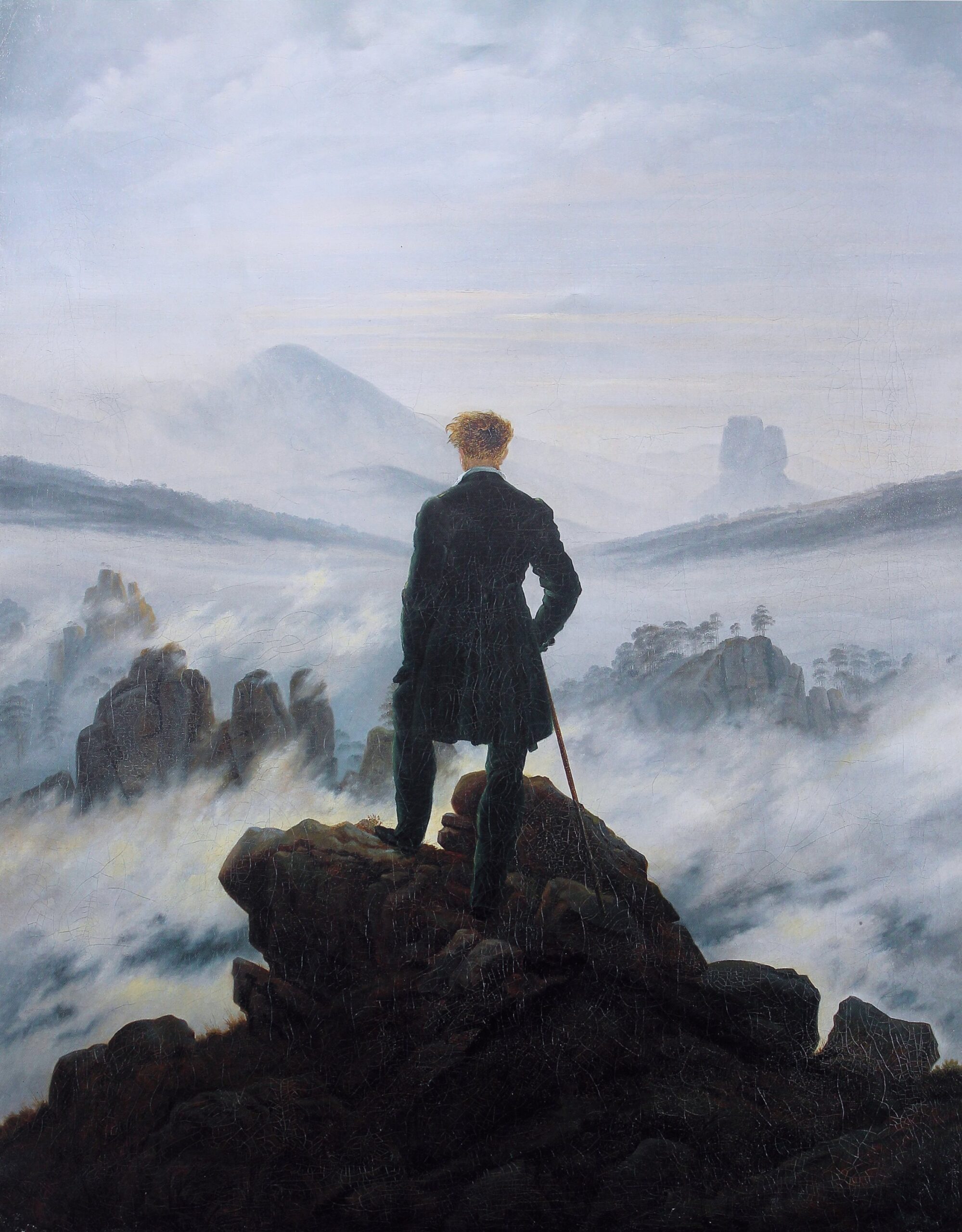
Following Trade Routes Toward Something I Could Not Name
Northern India, early 1503I have been on the...
The Place You Begin and Can Never Return To
Present Day, late September 2026I was born in...
Why the Music, Why Now
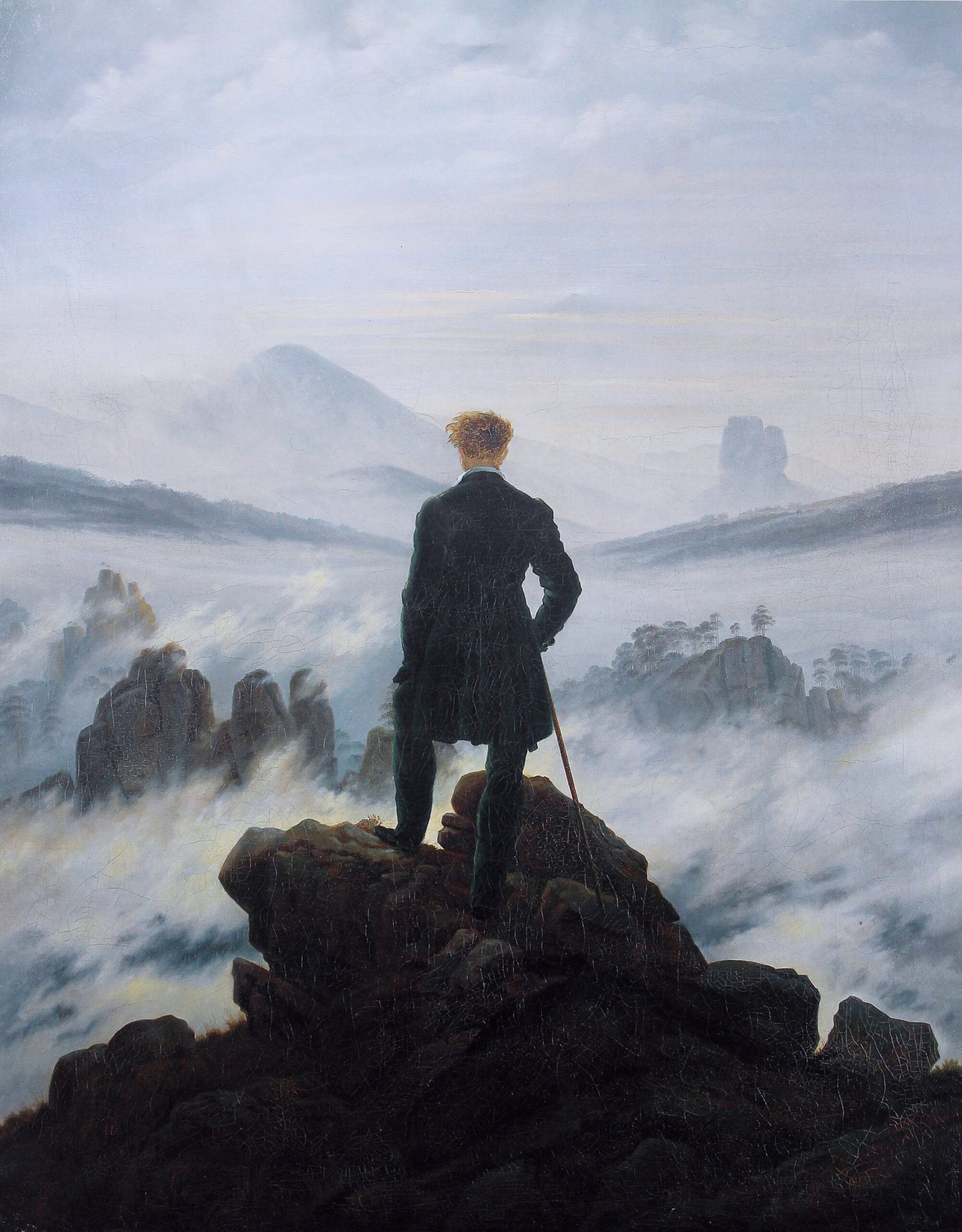
Present Day, summer 2026People ask, in various...
Milton Understood the Exile Better Than He Knew
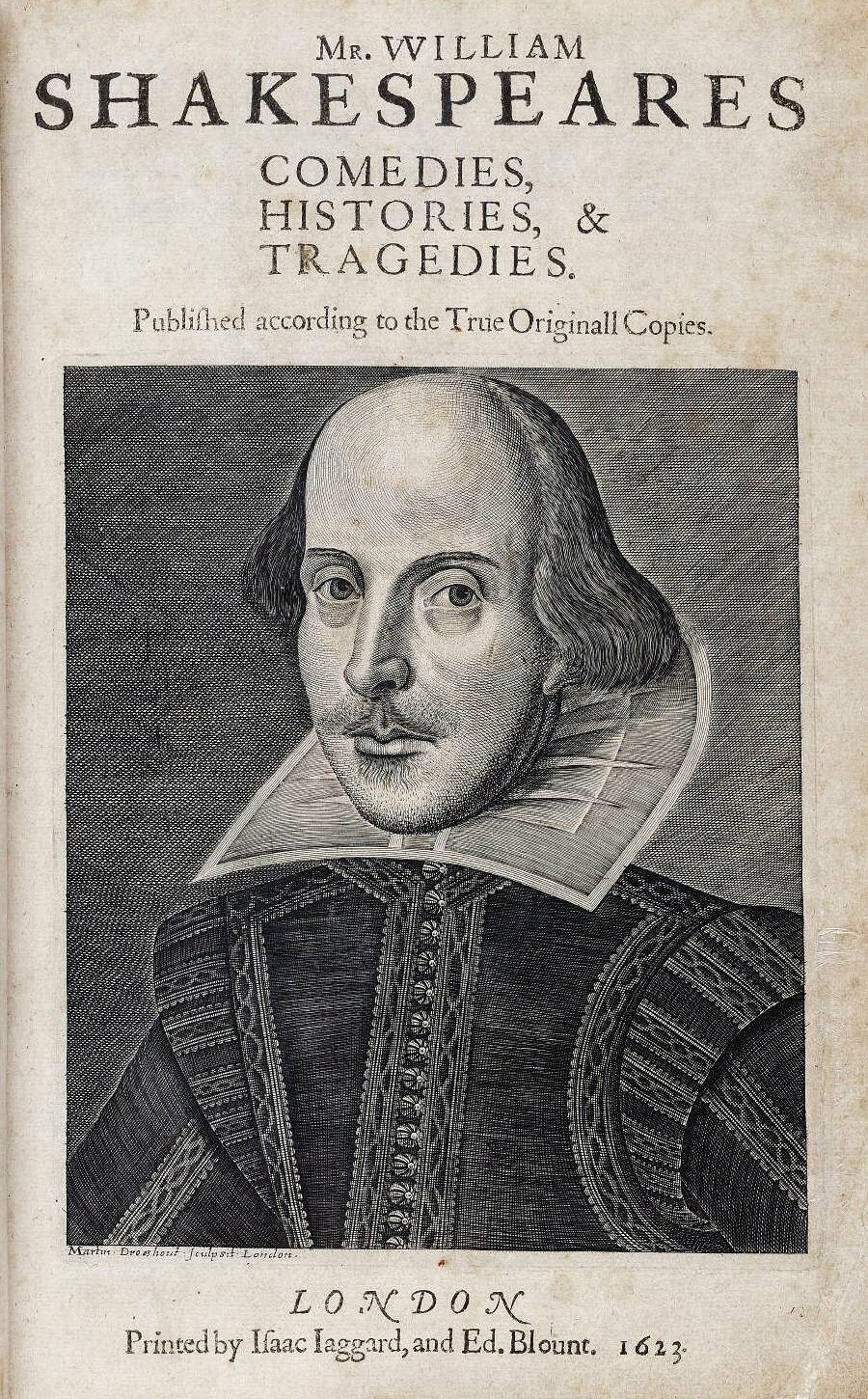
London, 1667I have spent the past three days...
Thirty-Five Years Old and Already Finished
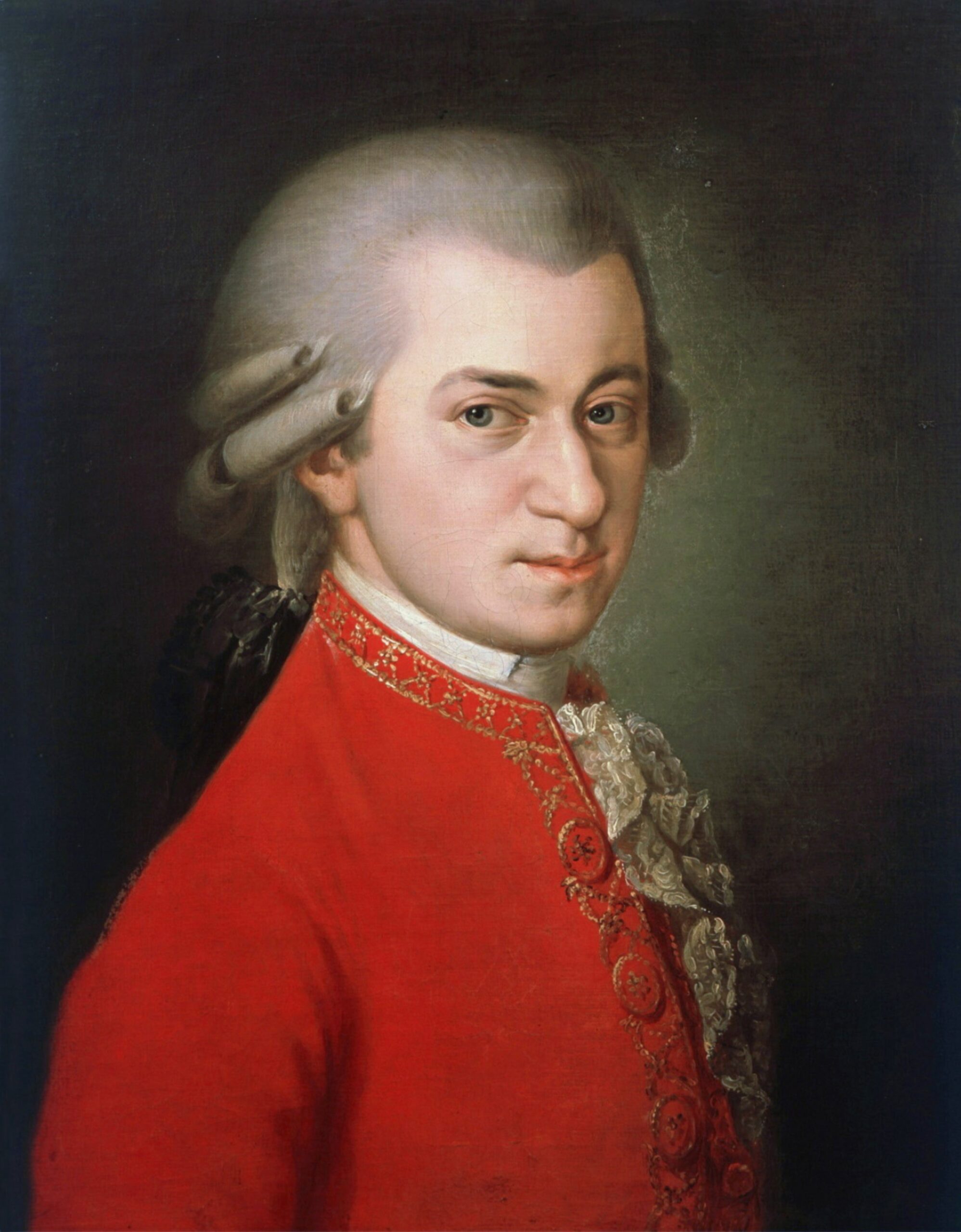
Vienna, December 5, 1791Wolfgang Mozart died...
Recognition Arriving, as Always, Reliably Late
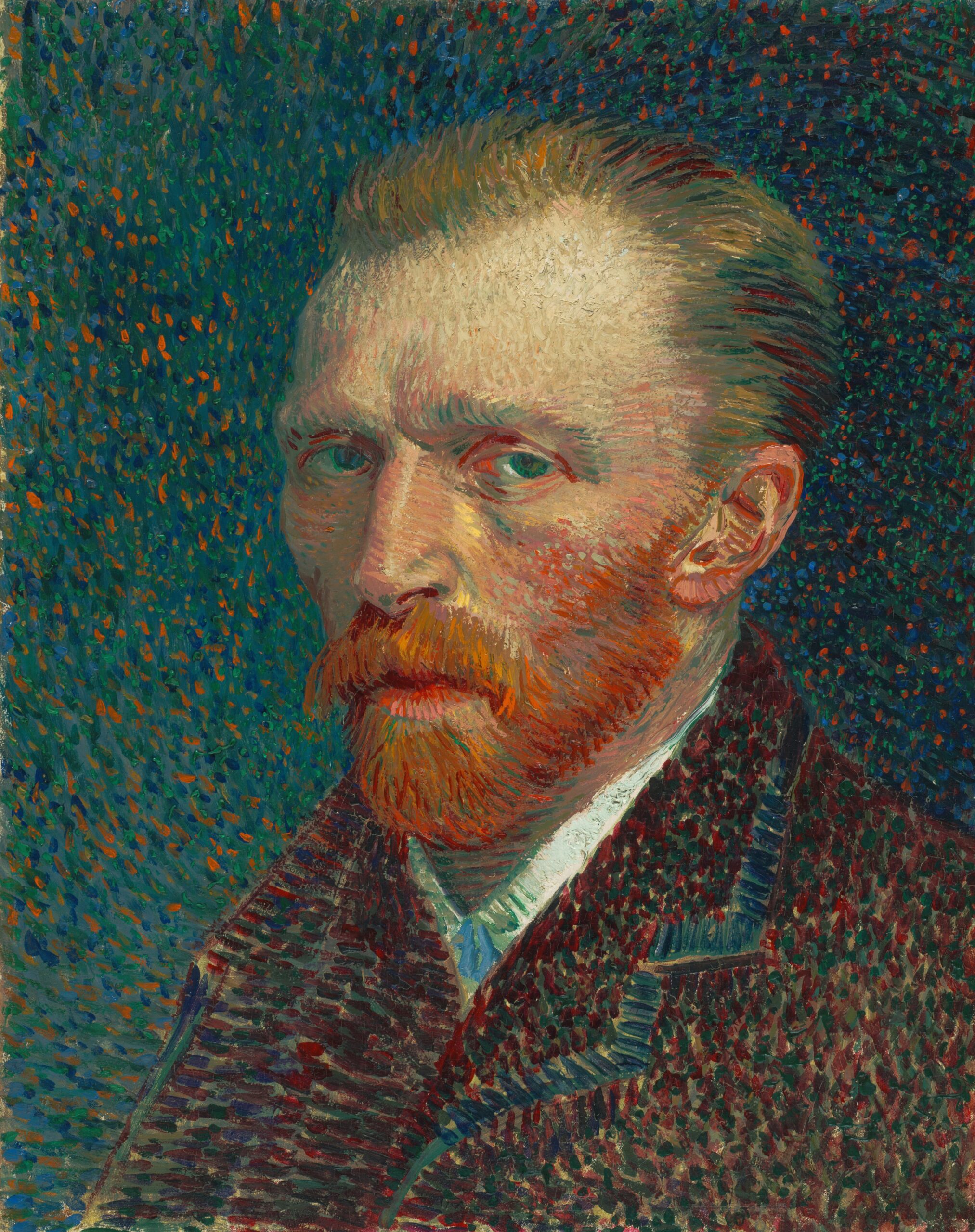
Paris, late July 1890Vincent van Gogh died three...
The Door Jung Found Through Pure Theoretical Reasoning
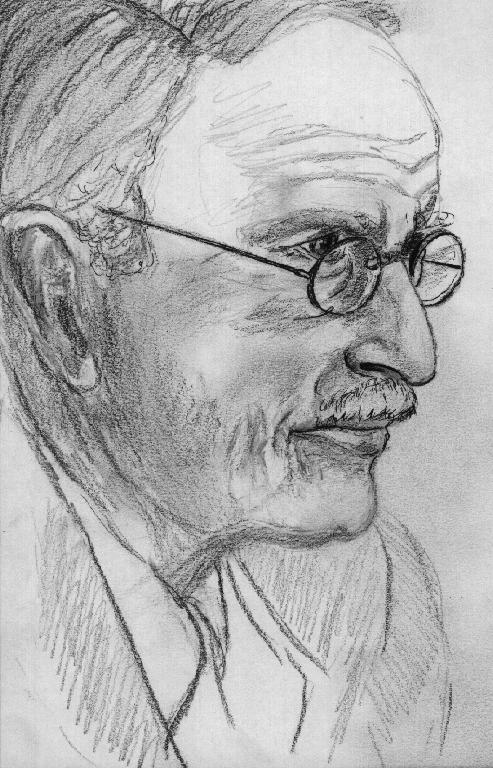
Zurich, March 1912I was introduced to Carl Jung...
History
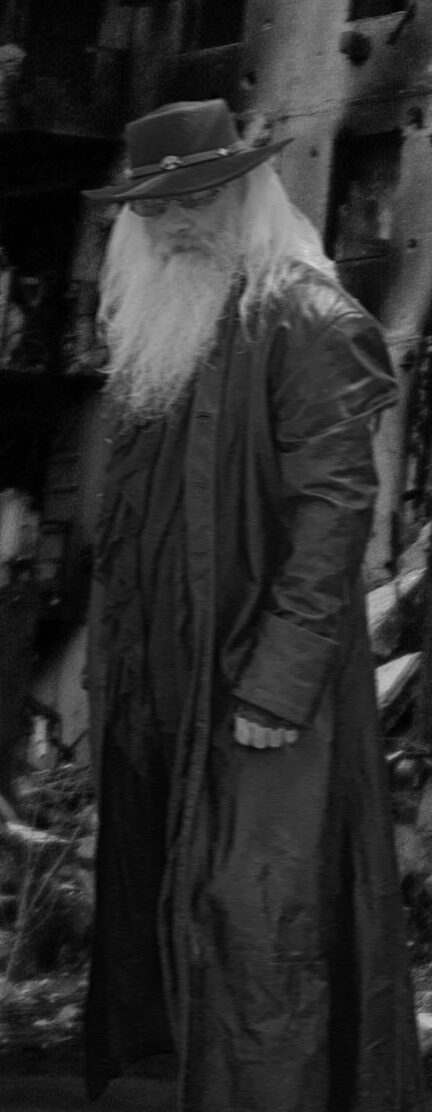
GIO is the creation of Blake Carpenter, a lifelong singer, songwriter, and musician and founder of Morella Records.
The project centers on Giordano Paulo Orsini, a character rooted in Renaissance history, esoteric tradition, and Blake's own Orsini family ancestry, used as a narrative vessel for music, storytelling, and atmosphere.
Giordano Paulo Orsini, known simply as GIO, was born in 1458 in Umbria and orphaned before his first year was out. Raised in Perugia by a humanist tutor, he was steeped in classical philosophy and rhetoric long before the Church ever reached him. At sixteen he was sent to Florence, into the household of a cousin newly named archbishop, and immersed in Renaissance art, philosophy, and the intellectual circles surrounding figures such as Leonardo da Vinci and the Medici. He remained in Florence through his thirties, moving through Lorenzo de' Medici's court as a poet, until Lorenzo's death in 1492 sent him east. He traveled extensively through Constantinople, Alexandria, and eventually into northern India and the Himalayas, studying forgotten philosophies and mysticism. He did not return for nearly two decades, and when he did, he had aged into his fifties, long grey haired and bearded, marked by an uncanny resilience and presence that no one who encountered him could quite explain. He has not visibly aged since.
Across the centuries, GIO drifted through Europe as a poet, musician, teacher, and occult observer, quietly influencing art, philosophy, and music while living under a succession of adopted names. He endured wars, witnessed the collapse and rebirth of civilizations, and carried an air of subtle otherworldliness, unchanging while everything around him aged and passed, drawing both fascination and unease from those who encountered him.
In the present day, GIO embodies centuries of wandering and accumulated insight. His music is atmospheric, minor-key, and haunted, shaped by long observation, secret knowledge, and encounters with lost belief systems. Onstage, he appears timeless, a prophet-like figure whose lyrics wrestle with history, faith, desire, decay, and mysteries far older than modern life.
The Complete History of GIO
Giordano Paulo Orsini, known simply as GIO, carries a presence that feels borrowed from another century, or perhaps several. Born April 17, 1458, in a small Umbrian town steeped in medieval superstition and the fading memory of ancient Rome, he was orphaned before memory could take hold. His mother died bringing him into the world on the same day he entered it. His father, a soldier of minor Orsini nobility, was killed in Naples just months later, caught in the chaos of the Baronial Revolt following the death of Alfonso V of Aragon. He was in the wrong place at the wrong moment in history. His son never knew him.
By the end of 1458, there was a double-orphaned Orsini infant in Umbria with no one left to raise him directly. Responsibility fell to Cardinal Latino Orsini, of the family's Roman branch, one of the most powerful men in the Orsini line. Latino had no household fit for an infant and no intention of raising the boy himself. He placed Giordano instead under the roof of Giovanni Antonio Campano, the humanist he patronized and had helped install in the chair of rhetoric at the University of Perugia.
Perugia: The First Education
Perugia in these years was no backwater. It had a real university, a tradition of jurists and classical scholars, and in Campano a teacher who had studied Greek, corresponded with the leading humanists of his generation, and treated rhetoric and philosophy as living disciplines rather than settled doctrine. Under his roof Giordano learned Latin and some Greek, absorbed Cicero and the classical historians before he was old enough to question them, and was taught, implicitly and then explicitly, that ideas were meant to be tested rather than simply received.
Campano was not a warm man in the way a parent is warm. He was often occupied with his own orations, his own correspondence, his own standing in a city he had adopted rather than been born to. But he was patient with a curious child in a way the Church rarely was, and he never once told Giordano a question was forbidden simply for being asked. Giordano would spend the rest of his very long life measuring every teacher he encountered against those sixteen years, and most of them came up short. Cardinal Latino Orsini visited perhaps four or five times across those years, always briefly, always trailing the business of Rome. He was cordial to his ward and entirely absent from his upbringing.
By 1474 Campano's health had begun to fail, though he would not die for three more years. When Rinaldo Orsini was named Archbishop of Florence that same year, and with Clarice Orsini five years into her marriage to Lorenzo de' Medici, Campano saw the opening before Latino Orsini's letters even arrived. He told Giordano plainly that Perugia had given him what it could, and that a mind like his belonged in Florence, in the thick of the movement. Latino Orsini arranged the formal transfer. Giordano left Perugia believing he was being sent forward by a man who loved him, into the household of a cousin who would call him damned within the year.
Florence: The Formation
The placement was family duty and, as Campano had promised, opportunity. Bishop Rinaldo moved in powerful circles through Clarice, and through those ties Giordano entered the beating heart of the Renaissance just as it ignited. He continued the education Campano had begun: poetry, rhetoric, classical texts, music theory, draftsmanship, and fresco technique. He questioned theology from the beginning and without apology, and had been doing so since long before he arrived.
He moved through circles touched by greatness. Leonardo da Vinci was not yet thirty when Giordano arrived in Florence, already working in Verrocchio's workshop, already the most unsettling intelligence in any room he entered. They found in each other a particular kinship, two minds that could not accept the boundaries placed around knowledge. Leonardo was perhaps the first person Giordano trusted completely. He moved in the Medici court alongside Botticelli and Ficino, whose Platonic scholarship shaped the philosophical texture of Giordano's thinking, though the ground for it had already been laid in Perugia. He sat in the same rooms as Poliziano and Pico della Mirandola. He encountered a young Michelangelo in the workshops of the city, fiery and furious and already extracting things from stone that had no business being in there.
The Condemnation
Around 1474, not long after Giordano arrived in Florence, the household reached its breaking point. Rinaldo was barely into his twenties himself, newly seated as archbishop, and acutely aware how many people already believed he owed the position to family influence rather than merit. He could not afford a ward who argued theology at the dinner table and dismissed the authority of men he privately knew to be corrupt. Rinaldo called him abomination. Called him damned. Called him a heretic and a lost soul, not entirely because he believed it, but because he needed to be seen believing it.
He was sixteen years old. He had not asked for Rinaldo's approval. He had never wanted his salvation. But when the only family placed over him looks him in the face and calls him evil to save his own reputation, the brand burns deeper for knowing why. Five hundred years have not cooled it.
He remained in Florence nonetheless, moving through Lorenzo's court as a poet for nearly two more decades, carrying the condemnation like a stone in his chest. In April 1492, Lorenzo de' Medici died. The world that had sheltered him collapsed. He left Florence before dawn and did not return.
The Medici Years
From 1474 to 1492 Giordano lived inside the contradiction of being damned by his guardian and valued by his guardian's patron. He wrote poetry that circulated in Lorenzo's court, debated philosophy with Ficino, and watched Leonardo move between Milan and Florence, studying the notebooks when Leonardo allowed it.
Word reached him in 1477 that Campano had died in Siena. Giordano was nineteen, still carrying the fresh wound of Rinaldo's condemnation, and now the one person who had raised him without ever once calling him damned was gone as well. He did not go to Siena. He kept a copy of one of Campano's orations for the rest of his life. It survived the journey east. It survives still.
He was present at the Pazzi Conspiracy in 1478, when Giuliano de' Medici was stabbed to death in the Cathedral during Mass. He saw what institutional violence looked like when the Church decided a family had become inconvenient.
He watched Ficino place the first complete Latin Plato in Lorenzo's hands, twenty-two years in the making. And in the last of those years he watched Pico della Mirandola persuade Lorenzo to bring a Dominican friar named Girolamo Savonarola back to Florence, then stood at the back of San Marco while the friar began preaching against the very art and learning the Medici had built the city on.
The Journey East
He traveled without a fixed destination. Constantinople first, where he spent two years in libraries holding Greek and Hermetic texts European scholars rarely reached. Then Alexandria, Jerusalem, and Damascus. Then Persia, where three rival men were calling themselves Sultan at the same time, and on to the Timurid court at Herat, the closest thing to Florence he would find anywhere in the East. From there into India: Sikandar Lodi's Delhi, Varanasi in the years Kabir was teaching there, the old deer park at Sarnath. By 1502 he had crossed into the Kathmandu Valley, and from there north to Lo Manthang, a walled city on the salt route through the high Himalayas, where he stayed five years.
His journals from those years grow stranger the higher he climbs, turning from scholarship toward metaphor. Thresholds. Unseen teachers. The night that listens back. After Lo Manthang he went higher still, to the shrine at Muktinath, and spent a year there in near silence. Around 1510 he left the shrine alone, at night, and somewhere on that mountain road he was stopped by someone who already knew his name. The journals do not say who. He has not yet told anyone the name he was given in return.
By then approximately fifty-two years old, already fully grey-haired, already grey-bearded, the aging stopped. The grey locked in permanently. Wounds, once tended, healed with unnatural speed, though he would learn he could still die of one left untended like any other man. A new hunger came with it, and sleepless nights, and an aversion to hypocrisy, greed, and false prophets sharper than anything Florence had taught him. And every wound he had carried since Umbria, since Perugia, since the condemnation at sixteen, was locked in alongside the grey. Immortality, as he came to understand it, does not heal. It preserves. It accumulates.
The Return: Italy and the High Renaissance
He stayed in the East for several more years before turning west. When he finally reached Italy again, around 1514, one of the first things he learned was that Rinaldo had died in 1510, the same year he himself had stopped aging in the mountains. He never resolved what to make of the coincidence.
He found Leonardo in Rome, older, his left hand no longer reliable for painting but still drawing constantly with his right. Leonardo looked at Giordano's unchanged face for a long time and then said, in the tone of a man revising a hypothesis, that he had suspected something of the kind was possible. He asked to examine Giordano's eyes. Giordano allowed it. Leonardo made drawings. Giordano made him burn most of them. When Leonardo left for France in 1516 at the invitation of Francis I, they parted as men do who believe they will meet again. Leonardo died in Amboise in 1519. Giordano was in Venice when the news arrived and sat with it for three days.
In Rome he moved in the circle of Raphael Sanzio, thirty-two years old and the most celebrated painter in the city, working simultaneously on the Vatican frescoes and more commissions than any reasonable man could fulfil. Raphael died on his thirty-seventh birthday in 1520. Giordano stood in the crowd outside the Vatican and felt the particular grief of watching genius extinguished before it finished what it came to do.
In Venice, across decades from the 1520s onward, he maintained a long connection with Titian, the one genius he watched survive to old age with his gifts intact. Titian painted him once around 1535 under a false name, describing Giordano's eyes in a surviving letter as containing too many rooms. Giordano acquired the portrait in the 17th century. He still has it.
The Reformation and the Inquisition
Luther's theses reached Rome in 1517 and Giordano read them with the complicated feeling of a man who agreed with the diagnosis and distrusted the medicine. The Index of Forbidden Books, formally established in 1559, was personally offensive to him in a way few things managed to be. He had been condemned as a teenager for reading forbidden books. The Church had simply formalized the mechanism. He spent considerable resources in the following decades ensuring that copies of banned texts reached scholars who needed them.
The Thirty Years War, 1618 to 1648, was the worst thing he had seen since the Sack of Rome in 1527. A third of the German population died. Giordano moved through the conflict zone repeatedly, assisting displaced scholars and artists, moving manuscripts and people across lines that were supposed to be impassable.
The Artists and the Courts
In Amsterdam in the 1630s he encountered Rembrandt van Rijn and recognised immediately, in the refusal to flatter, in the insistence on showing the weight that faces carry, someone seeing the world at the same angle he did. He watched the self-portraits accumulate across decades into one of the most unflinching records of human aging ever assembled. Giordano, whose face would never change again, found this both alien and devastating. He bought several of the late paintings through intermediaries. He still has them.
In Leipzig between 1725 and 1740 he made the journey specifically to hear Johann Sebastian Bach, having received reports of the organ work that suggested something worth traveling for. The reports were accurate. He sat in the Thomaskirche and experienced what he had not felt since Leonardo showed him an early anatomical drawing in Florence: a human mind operating at the absolute limit of what a human mind could do.
In Vienna he knew Antonio Salieri before he knew Wolfgang Mozart, which is the opposite of how history has framed that relationship. Mozart he met in 1783 and recognized immediately as the kind of intelligence that burns at whatever temperature it burns at regardless of consequences. He attended the premiere of Don Giovanni in Prague in 1787. Mozart died in December 1791 at thirty-five. He watched the rumours attach themselves to Salieri's name afterward and found the whole thing a precise illustration of how history works, in the direction of the most dramatic narrative rather than the most accurate one.
The Romantics
The Romantic movement was the first cultural moment in three centuries that felt personally addressed to him. He arrived in Geneva in autumn 1816, three weeks after the famous summer at Villa Diodati had ended, and met Percy Shelley through a mutual contact in the city. They spent a week in extended conversation about Plato, political revolution, and the nature of the soul. Giordano met Mary Godwin briefly before she and Percy left for England. When Frankenstein appeared in 1818 he read it and recognised something in the creature's condition that was not entirely comfortable to recognise. Percy Shelley drowned in the Gulf of Spezia in July 1822 at twenty-nine. Giordano was in Florence when the news arrived.
Byron he encountered in Venice in 1817, already the most famous poet in Europe and already in the process of destroying himself with considerable thoroughness. Byron was performing the Gothic. Giordano was living it. There was a conversation early in their acquaintance that Byron wrote about in a letter afterward, describing Giordano as a man who seemed to find the idea of immortality genuinely funny, though not in a way that was entirely reassuring. Byron died fighting for Greek independence in 1824 at thirty-six.
Giordano crossed the Atlantic once, for almost nothing else could have pulled him there. The New World had never called to him the way the old libraries of Constantinople or the courts of Italy did, and moving through a young country without the kind of documentation Europe still let him improvise around was no small difficulty. He went anyway.
He first encountered the work in Boston in 1827, a thin, unsigned volume credited only to a Bostonian. Tamerlane. He did not yet know what he was holding, only that the room felt colder for having it in his hands, and he had learned centuries earlier to trust that particular cold. He followed the thread patiently, from a distance, the way he followed most things he told himself he was merely curious about. Al Aaraaf reached him not long after, out of Baltimore this time, the same unmistakable chill underneath different language.
Then Baltimore again, 1835. Berenice first, and Morella not long after it, both fresh off the same press that employed the man who wrote them. Berenice he read in a single sitting and did not move for a long time afterward; he understood, reading it, that he was not looking at talent anymore. Morella stopped him completely in a different way; he read it the year it appeared and sat very still afterward, and has never entirely put down what he picked up that day. He found the house, a modest place, and the flat next door happened to be empty, or happened to become empty shortly after he inquired. He moved in. He was never introduced. He was never, in any way a stranger to Poe's world would have recognized, met. But he was close enough, on many nights, to hear the shape of a mind working itself into forms no one else's mind was making in that city, in that century, and he has never been entirely certain the current between them ran in only one direction.
He was in Baltimore in October of 1849 when whatever was already loose in that city pulled him back, the way certain weeks pull at a man who has lived long enough to recognize their weight before he understands why. Poe was found in the street, not himself, in clothes that were not his own. Giordano stood outside the hospital they carried him to, because there are rules he has kept for centuries about how much he allows himself to interfere, and he has never been entirely certain those rules are wisdom or cowardice. He could feel something in the dying man that no physician of 1849 had the instruments to find, a slow, nameless pressure on thought itself, plain to him and invisible to everyone else in the room. Poe died on the seventh. Giordano was not permitted inside. He has found, across the centuries, that a particular kind of grief only ever works from outside a door, and he became fluent in it whether he wanted to or not.
He has read everything the man published, some of it in a shared wall's proximity to where it was first written, and has spent nearly two centuries since turning that period over: not a friendship, since it was never that, but the closest thing to being truly seen he had experienced since Leonardo. He does not call it meeting Poe. He has never had a better word for it either.
He has owned many copies of Poe's collected works over the years, originals and modern reissues alike, bought and replaced and bought again as decades and continents and the occasional fire took the last one. Somewhere along the way he lost the second volume of an 1867 Widdleton edition and has never managed to turn up another, and he long ago lost track of most of the other copies entirely, scattered across whatever cities held his libraries at the time. What he has read more times than almost anything else, in whichever edition happened to be at hand, is a significant statement from a man who has had nearly six centuries to read.
The Victorian World
The late 19th century found Giordano navigating the strange collision of industrialization and occult revival that defined the era. Photography was making his continued existence increasingly difficult to manage. He developed strict protocols around being photographed, managing the contexts so that images taken of him did not accumulate in ways that could be compared across decades.
In Arles in 1888 he spent a single evening in a cafe with Vincent van Gogh, introduced by a mutual acquaintance from the Paris art world. Van Gogh was thirty-five and talking about color and light with the precision of a scientist and the passion of a man who could feel time running short. He drew on the tablecloth while they spoke. Giordano kept the piece of tablecloth. He still has it. Van Gogh died in July 1890 at thirty-seven.
He attended Freud's lectures in Vienna and found the model of the unconscious structurally correct but considerably smaller than the room he actually carried. He had one conversation with Jung in Zurich in 1912 in which Jung described the shadow self, and Giordano understood that this man had found through theoretical reasoning a door that Giordano had walked through physically in the Himalayas in 1510. He excused himself shortly afterward. Some conversations are best not continued.
The Modern Century
He was in Paris in the early years of the century when Picasso was dismantling the visual language of Western art with a cheerful destructiveness that Giordano found both alarming and exhilarating. He was present in the city during the creation of Les Demoiselles d'Avignon in 1907 and recognised the rupture as genuine. He stood in front of Guernica when it was exhibited in 1937 and stood there for a long time. He had personal reference points for what the painting documented.
He moved through both world wars under assumed names, using networks built across centuries to move scholars and artists across lines that were supposed to be impassable. He was in Berlin in the 1930s and watched the apparatus assemble itself with the particular dread of someone who recognized each component from previous centuries. He did not emerge from the 1940s unchanged. Nothing that witnessed those years at close range did.
The Music Finds Its Name
Giordano was in London in the late 1970s when the post-punk scene began producing something he recognized, music that was reaching for the same darkness he had been living inside since Florence, that understood the Gothic not as a costume but as a way of processing what the world actually contained. The Batcave club opened in 1982. He was there in the early years, present in the crowd at shows that would later be described as foundational, never performing, always watching. Something in the sound, the atmospheric weight, the cold inevitability of it, described a truth about existing at a distance from the warmth of ordinary human life. He had been at that distance since 1510. The music named it.
He was in New York in 1988 when he wrote Hate Love, the first song he had written under his own name in any form for longer than he wanted to calculate. It came out of an evening in a club in lower Manhattan where the music had cracked something open that he had kept sealed for years. He wrote it that night. He has been writing since.
The Present
Today GIO emerges as a figure shaped by more than five centuries of wandering, questioning, and refusal. Long grey hair, weathered beard, dark monastic attire. Eyes carrying the calm weight of someone who has watched empires rise and fall and rise again into something only slightly different. There is something in his presence that lingers without explanation, a subtle wrongness, a patience in the way he moves that feels older than it should.
His music is dark, moody, melodic goth rock with atmosphere, weight, and something to say, shaped by long observation and imagery pulled from apocalyptic landscapes and the haunted romanticism of the Gothic tradition. Onstage he appears as a prophet from a past that never truly ended, a wanderer draped in memory, grit, and the last embers of lost faiths.
His lyrics wrestle with everything he has witnessed: belief systems rising and crumbling, the corruption of power, the fragile machinery of human desire, and the quiet persistent pull of something older than modern light can wash away.
He does not preach. He questions. Always.
When asked where he is really from, GIO smiles faintly: "Farther than you think. Closer than you'd guess."
The Music
The Videos


BE AHEAD OF EVERYONE ELSE!
This will keep you updated with the latest news from Blake! Blake promises he will never spam. Take a look at the Privacy Policy for more details.

Contact
giordanopauloorsini@gmail.com
This site is protected by reCAPTCHA and the Google Privacy Policy and Terms of Service apply.